Musculoskeletal Physiotherapy
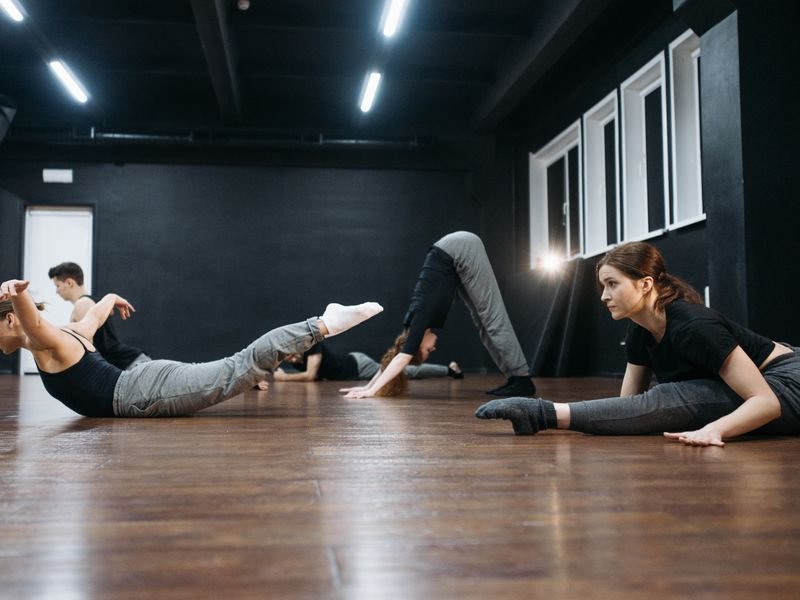
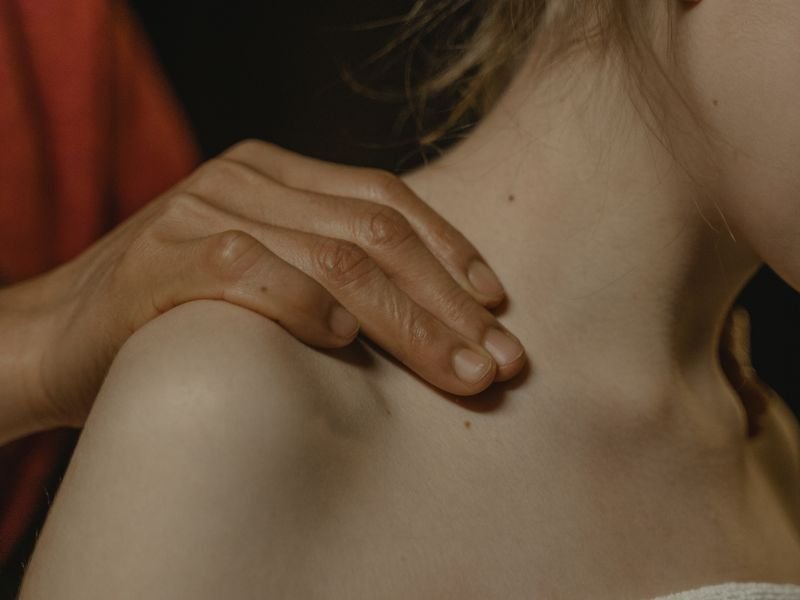
Backs, necks, shoulders and knees — assessed, treated and retrained.
Learn more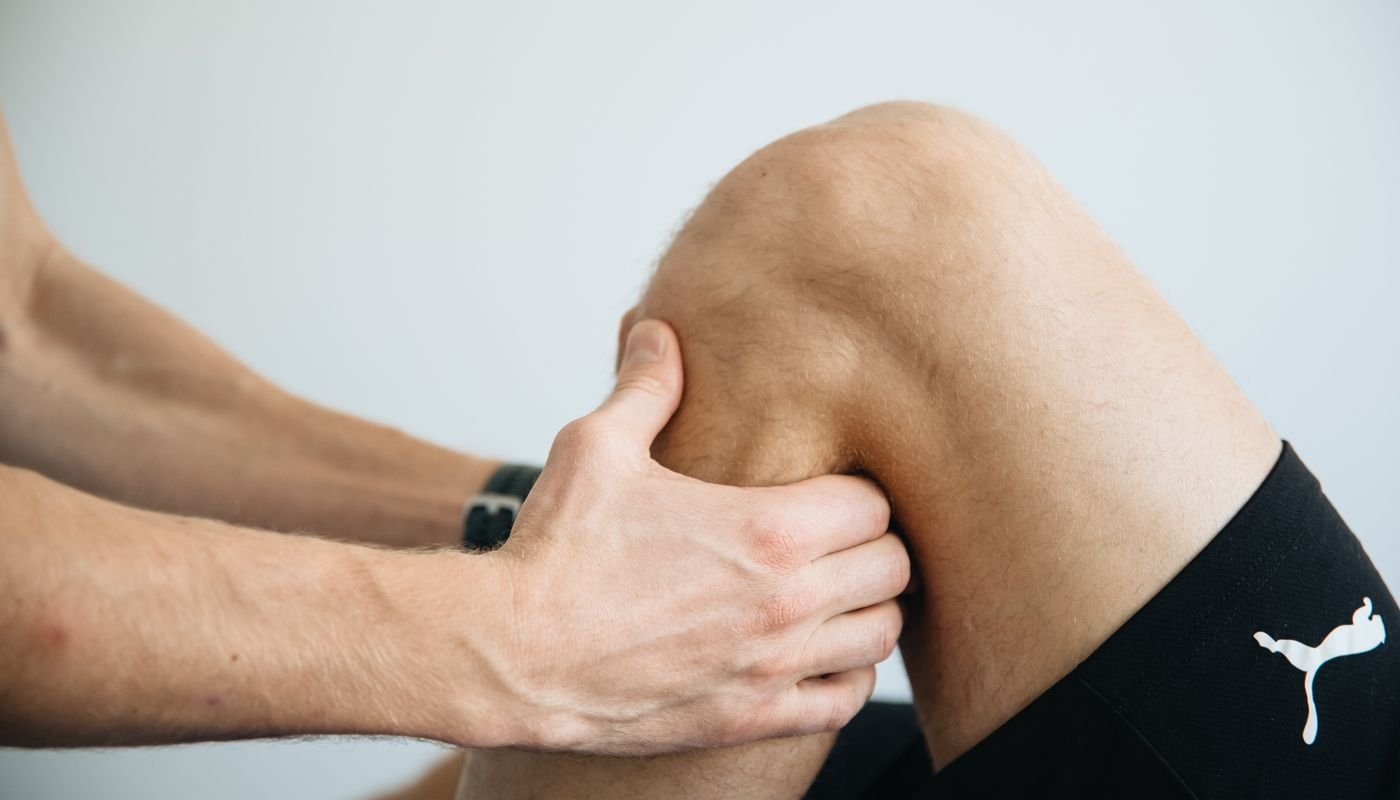
From a first assessment to the routine that keeps the problem from coming back.
Six areas
Each page explains what the work involves, how it is staged and what to expect along the way.
Backs, necks, shoulders and knees — assessed, treated and retrained.
Learn moreStructured recovery after surgery, fracture or joint replacement.
Learn moreRebuilding movement, control and independence after neurological injury.
Learn moreGentle, play-led therapy for children's movement and development.
Learn moreMovement assessment, postural correction and steadier walking.
Learn moreWhy here
Every plan starts with a full examination, not a template.
Manual therapy to settle it, exercise to keep it settled.
Strength, range and posture recorded so progress is visible.
You are told roughly how many visits, in advance.
Included as standard
A real assessmentPosture, movement, strength and joint testing — not a two-minute glance.
A clinical diagnosisExplained until you can repeat it to someone else.
A personalised planBuilt around your body, your condition and your goals.
Homework that fitsA few exercises that survive a real week.
Progress recordedMeasurements at the start and at the end, not just a feeling.
A prevention routineWhat to keep doing so the problem does not return.
Treatment techniques
Which of these is used — and how much — is decided by the assessment, never by habit.
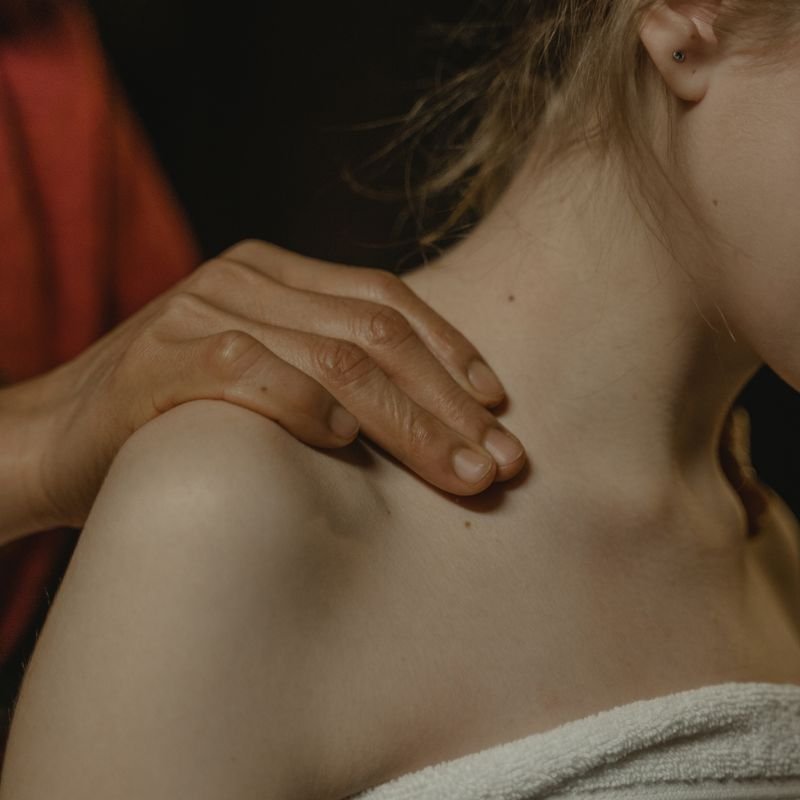
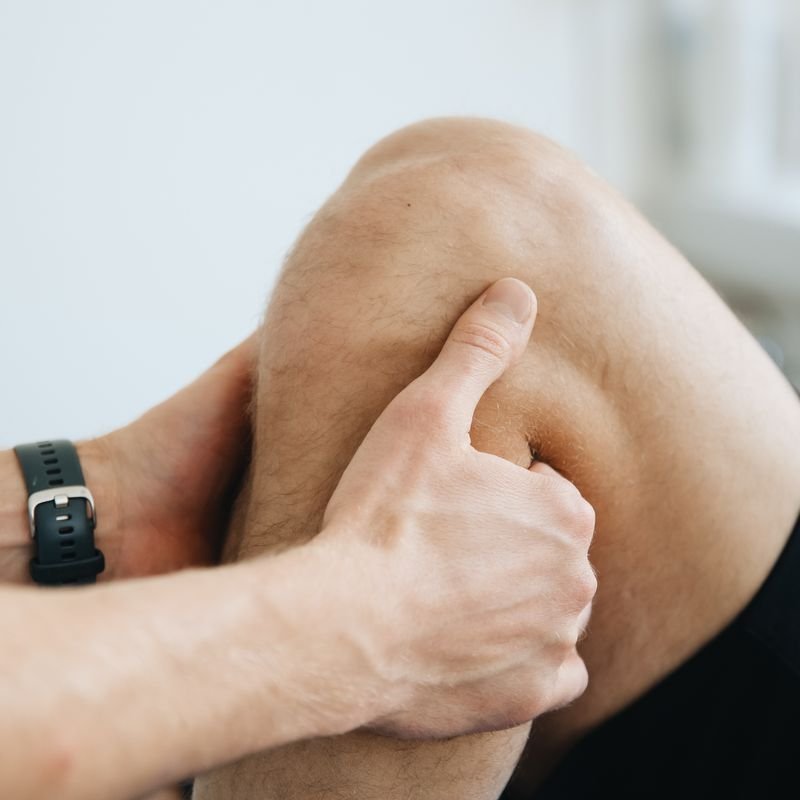
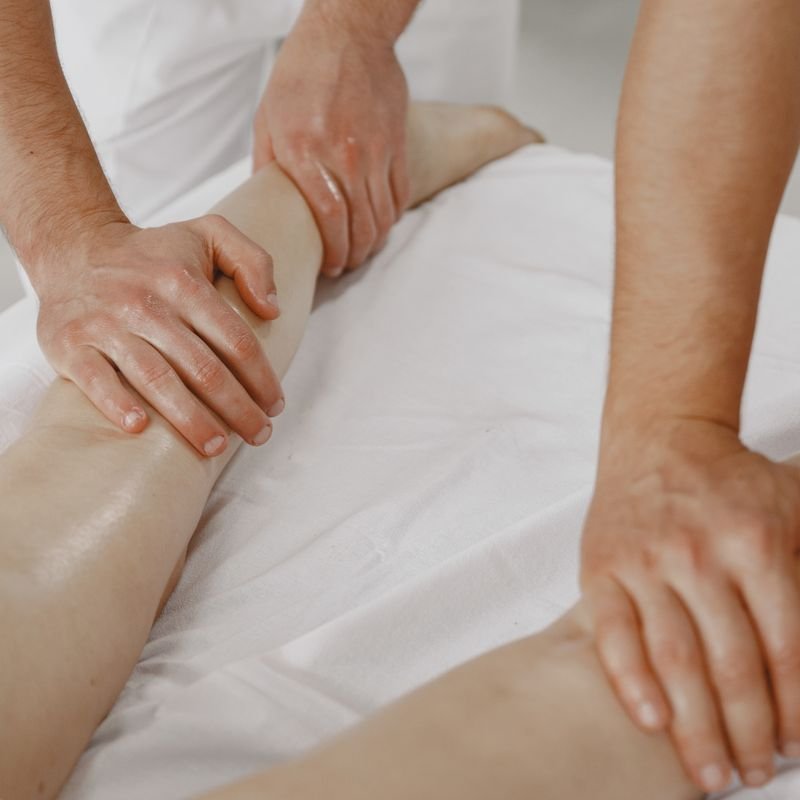
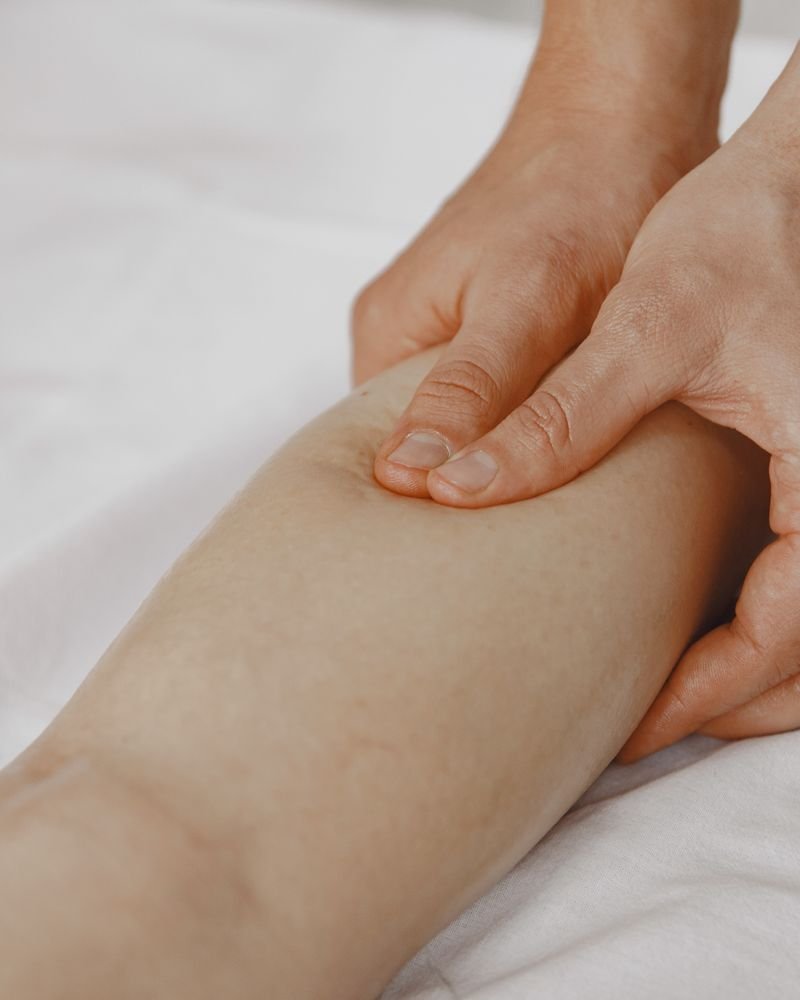
Hands-on mobilisation of joints and soft tissue to restore movement and settle pain.
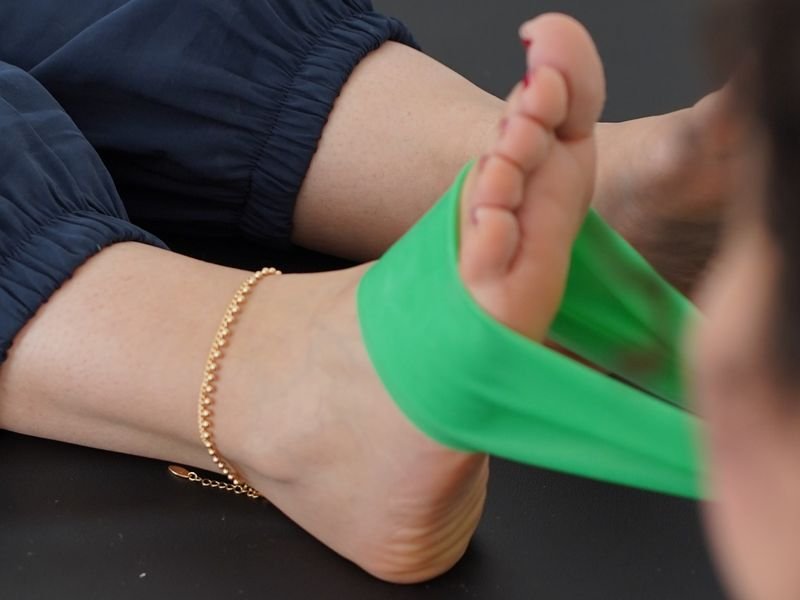
Targeted, progressive exercise that rebuilds strength, control and endurance.
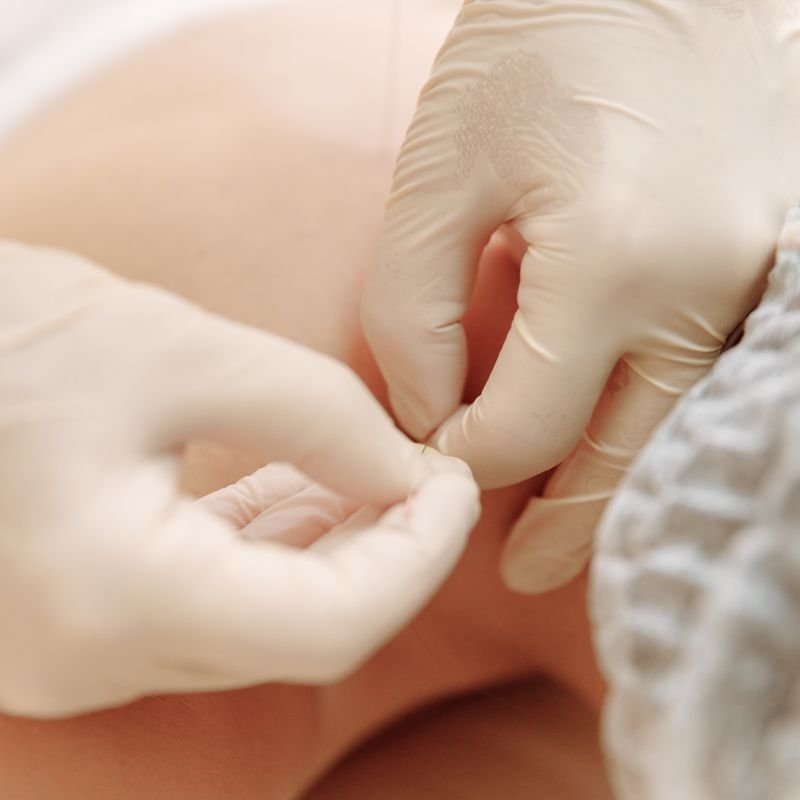
Fine needles into trigger points to release tight, painful muscle.
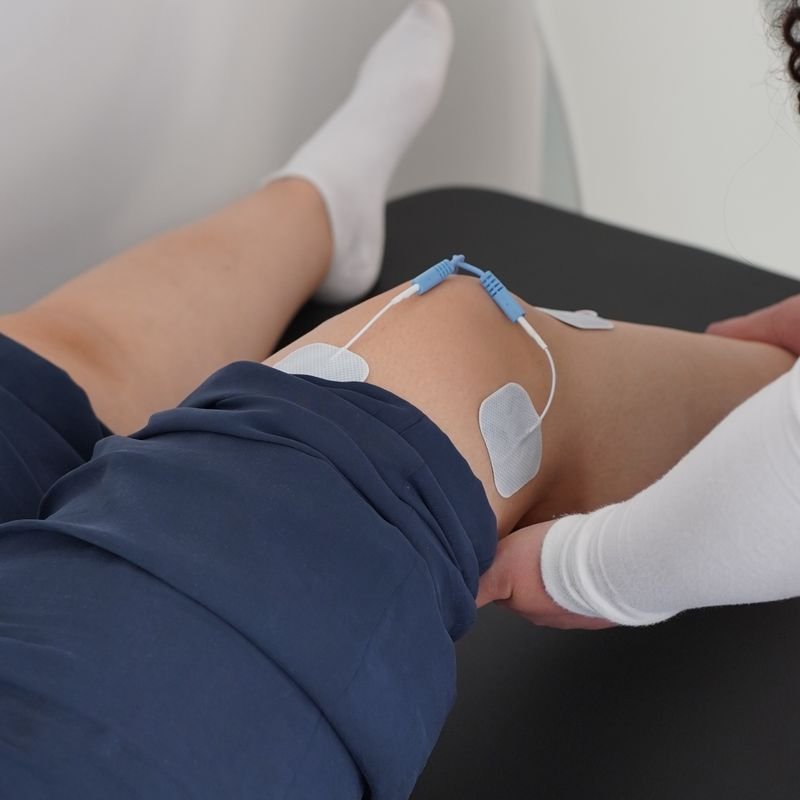
Used alongside treatment to help manage pain, swelling and muscle activation.
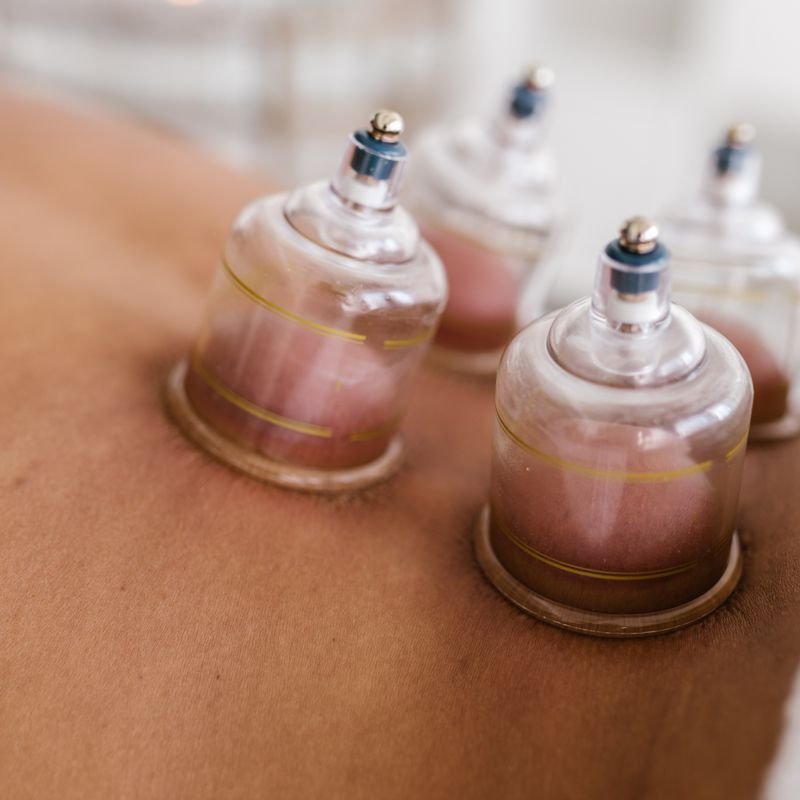
Suction applied to the skin to improve circulation and release tight fascia.
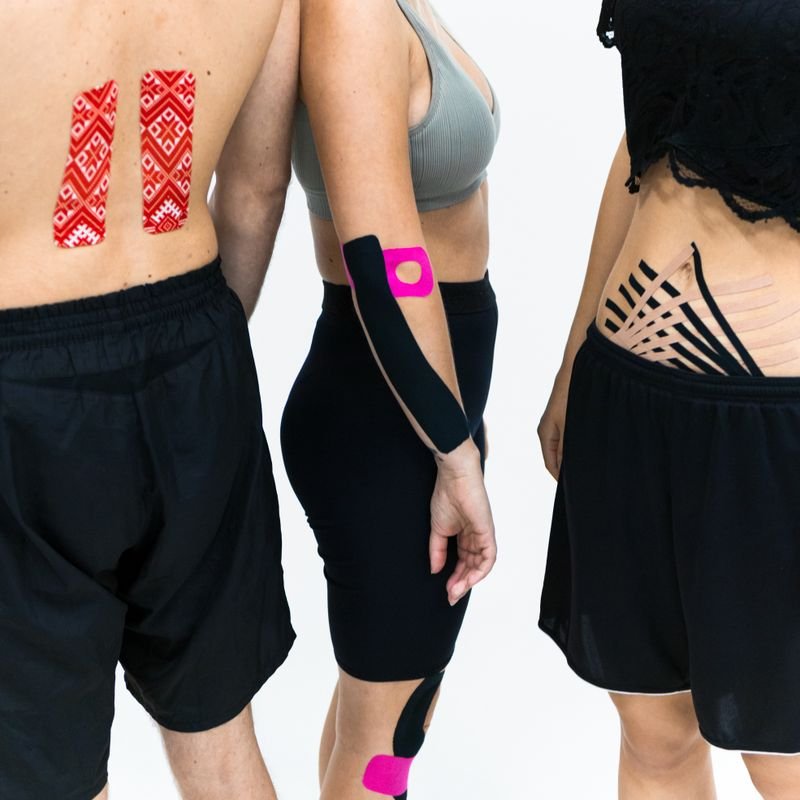
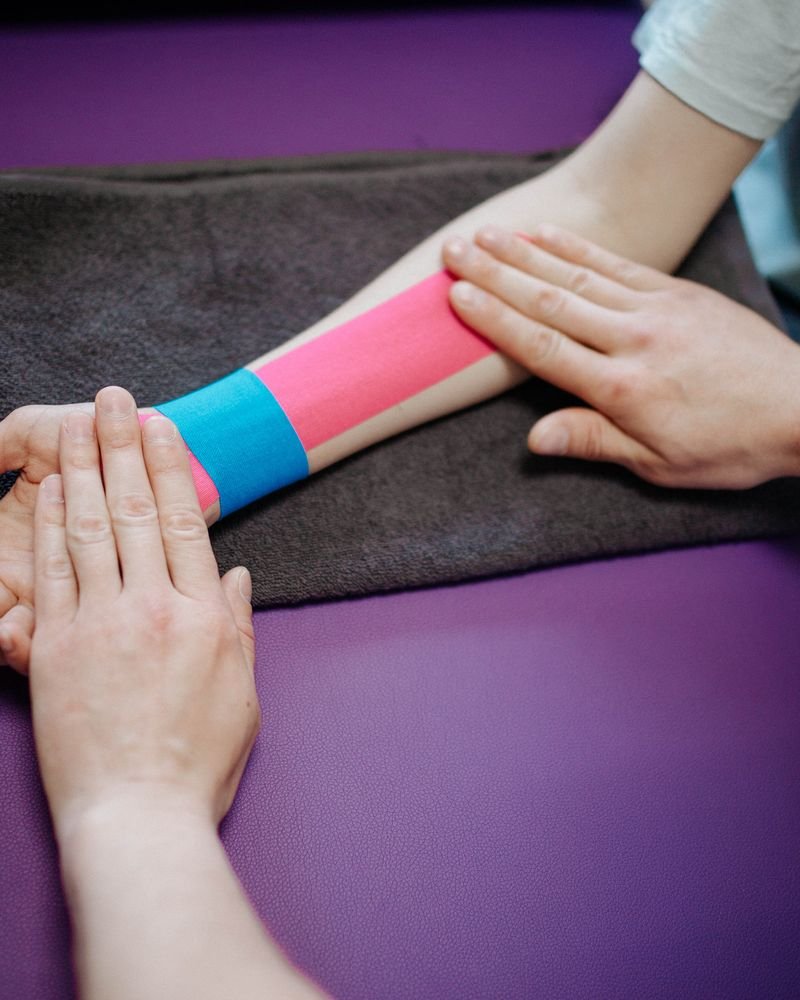
Elastic tape that supports a joint or muscle while you keep moving normally.
Your journey
Nothing is treated before it has been assessed, and nothing is discharged before you can maintain it yourself.
A comprehensive assessment, a clear diagnosis explained in plain words, and the first session of treatment on the same day.
Hands-on therapy paired with a progressive exercise programme, reviewed at every visit so the plan keeps matching where you actually are.
You finish with the strength, the confidence and the knowledge to maintain it yourself — plus a short routine that keeps the problem away.
In numbers
Qualified in Lebanon, with supervised hospital placements behind every technique used in your session.
Questions
Your first visit is a comprehensive assessment. I take a full history, examine your movement, strength and posture, explain the diagnosis in plain words, and we begin treatment the same day.
Sessions typically last 45 to 60 minutes — long enough to assess, treat and teach you the exercise in the same visit.
It varies with the condition and your goals. You get an honest estimate after the first assessment, and it is reviewed as you progress.
Loose, comfortable athletic clothing you can move in. If the problem is a knee or a hip, shorts make the assessment considerably easier.
A WhatsApp message is the fastest way. Tell me what hurts, how long it has been going on, and when you are usually free.
Arabic, French and English.
That is what the assessment is for. Describe the problem and you will get a straight answer — including whether you need me at all.