
Stage 01
Comprehensive assessment
History, movement testing, strength and range measurements, and a careful look at the joints above and below the painful one.

Backs, necks, shoulders and knees — assessed, treated and retrained.


Musculoskeletal Physiotherapy
Most pain that brings people to physiotherapy is musculoskeletal: a back that locks up after sitting, a neck that aches by the afternoon, a shoulder that will not reach the top shelf, a knee that complains on stairs.
The symptom is rarely the whole story. A shoulder can hurt because the ribs and mid-back have stopped moving; a knee can hurt because the hip is not doing its share. Treatment settles the painful tissue, then addresses whatever left it overloaded in the first place.
Assessment before treatmentWhere it hurts and why it hurts are two separate questions.
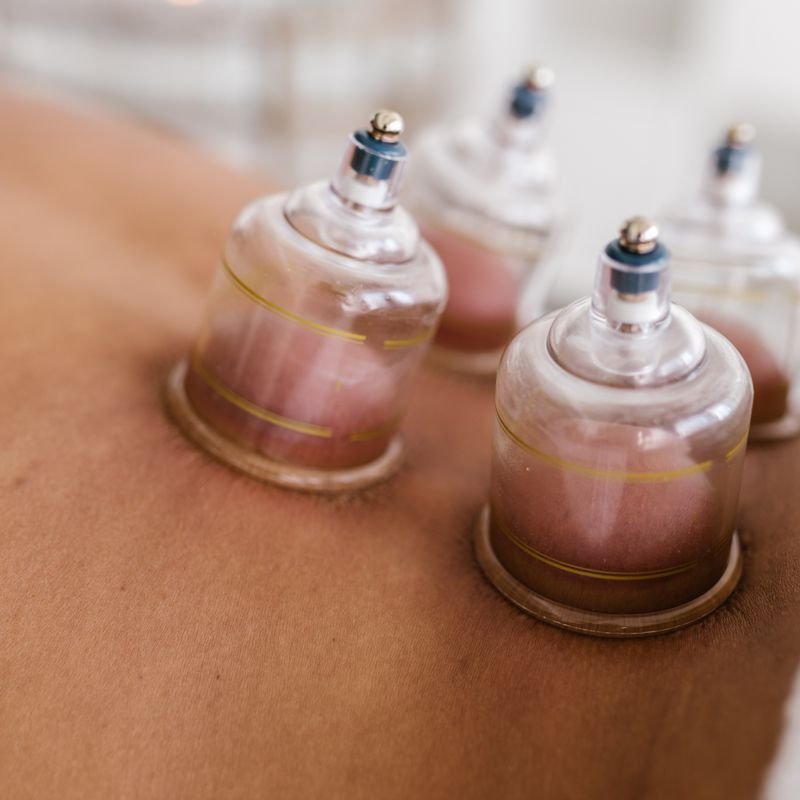
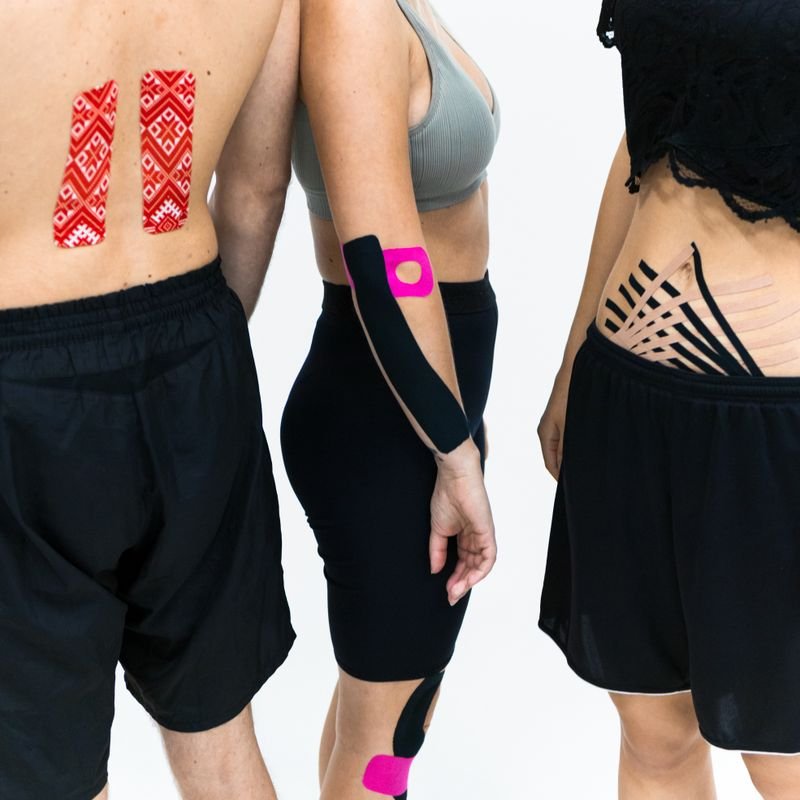
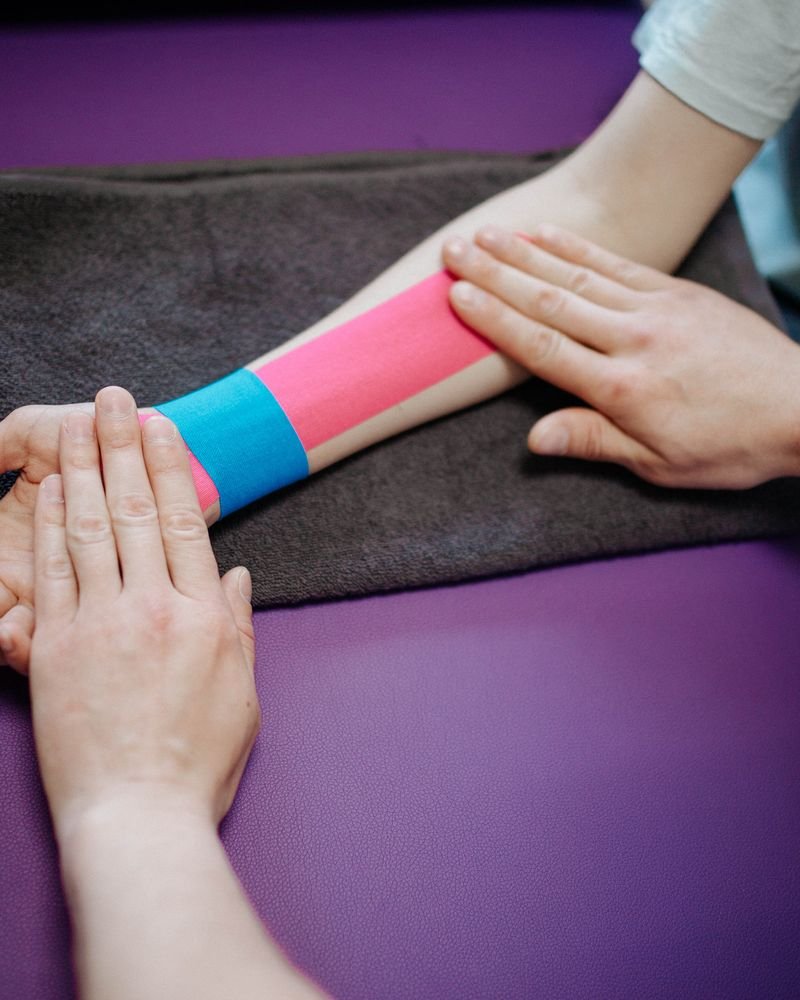
Hands-on where it helpsManual therapy, dry needling, cupping and taping as the case needs.
Exercise that matches youA programme built around your day, not a generic handout.
Explained as we goYou leave understanding your own problem well enough to describe it.
How it is staged
Each stage ends with a decision point — nothing moves forward on autopilot.
Stage 01
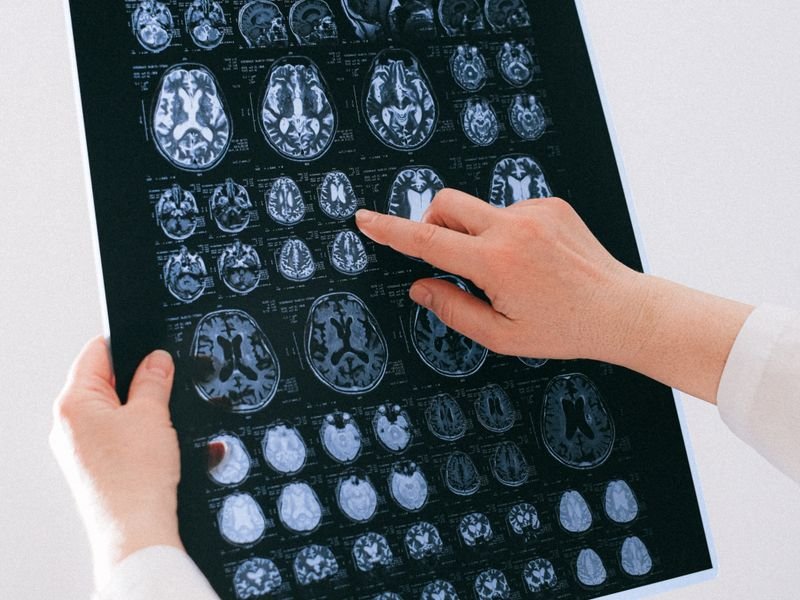
History, movement testing, strength and range measurements, and a careful look at the joints above and below the painful one.
Stage 02
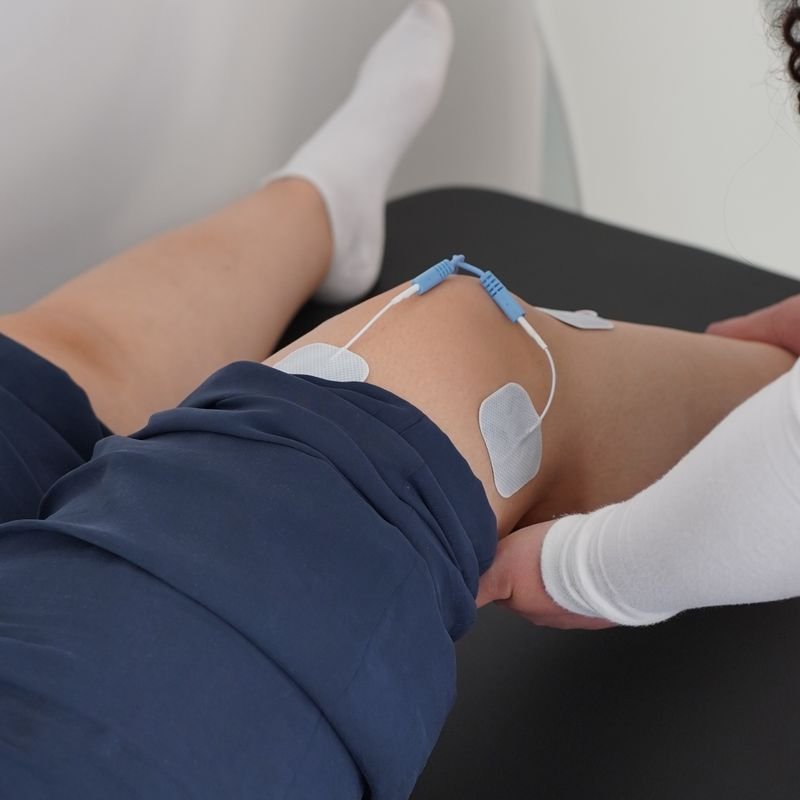
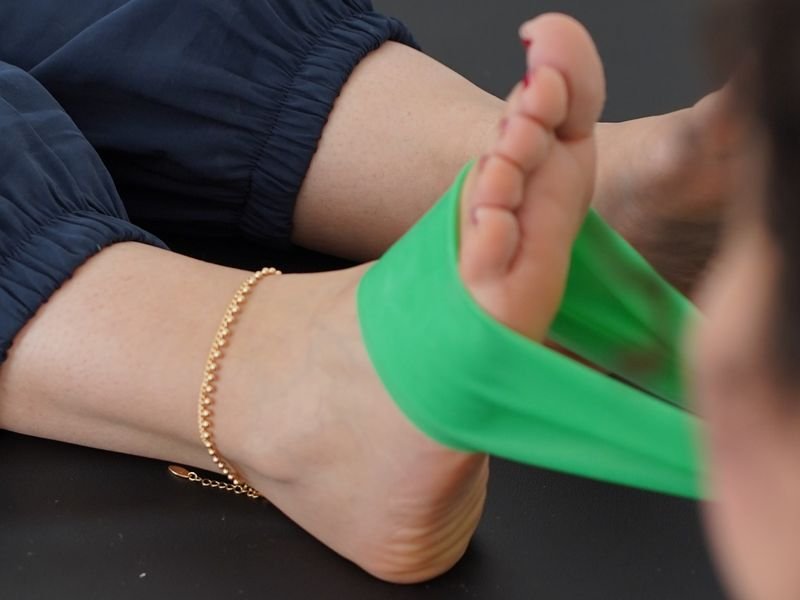
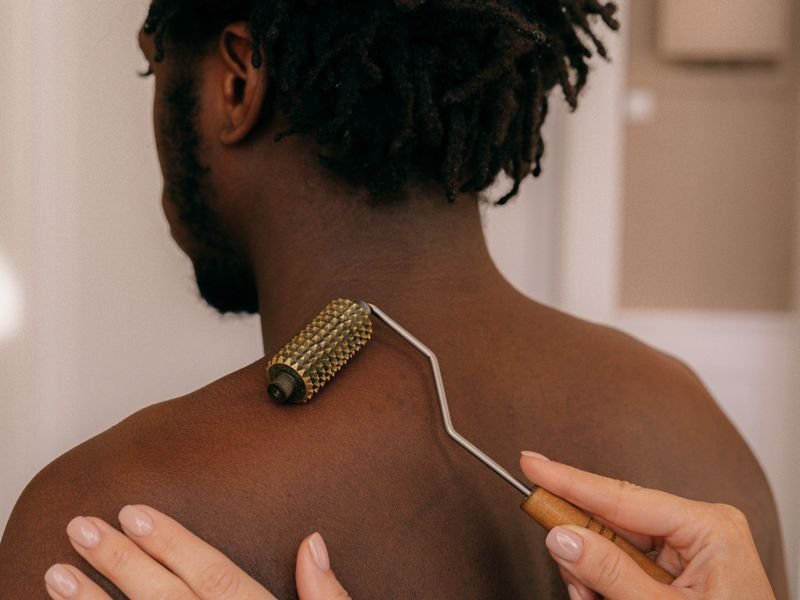
Manual therapy and modalities to calm symptoms and restore movement, paired from the start with exercise so the relief holds.
Stage 03
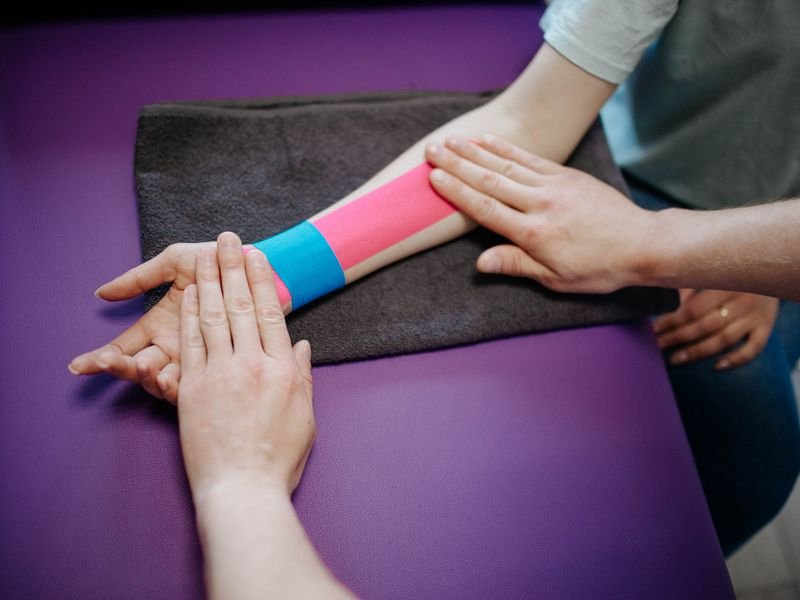
Strength and control are rebuilt to the level your life actually demands, and you finish with a short routine that keeps it there.
Why it is done this way
Hands-on work settles the tissue; exercise is what keeps it settled.
You find out what the problem is, not just that something hurts.
Treating the cause is what changes the pattern of recurrence.
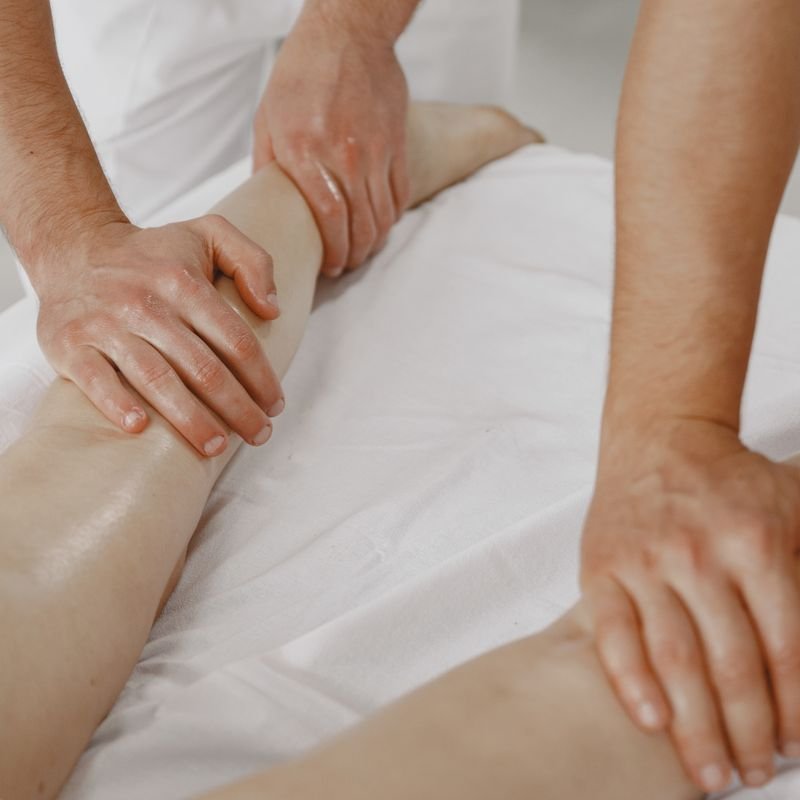
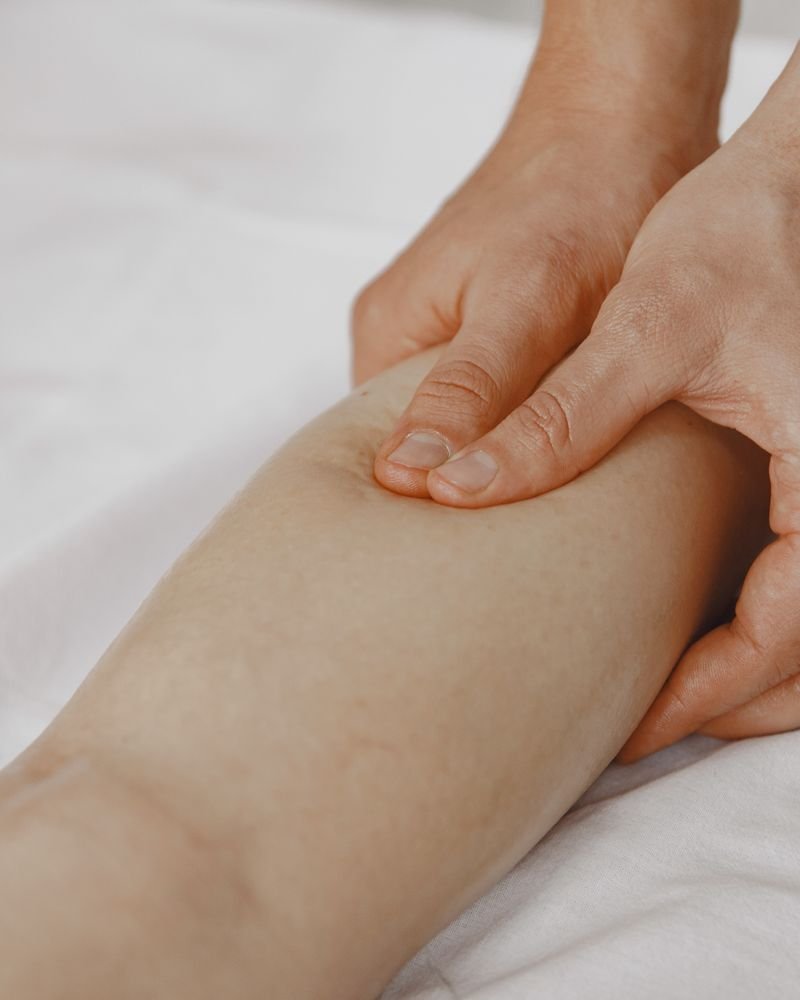 First visit
Moving freely
First visit
Moving freely
Stock photography shown for layout. Replace with consented patient photographs before launch.
Start to finish
Every stage is recorded — range, strength, posture, test scores. You see your own measurements move, which is a considerably better motivator than being told you are doing well.
Questions
Not usually. Most musculoskeletal problems are diagnosed clinically, from your history and a physical examination. If something in the assessment suggests imaging or a medical opinion is needed, you will be told and referred on.
Some techniques are briefly uncomfortable, and you are told before anything is done. Treatment is adjusted to what you can tolerate — pain is information to work with, not something to push through.
Many people notice a change in range or comfort within the first session or two. Lasting change takes longer, because it depends on the strength and movement work rather than on the hands-on part.
No. Long-standing pain usually responds differently rather than not at all — the plan leans more on graded loading and less on quick symptom relief.
Related
Structured recovery after surgery, fracture or joint replacement.
Learn moreRebuilding movement, control and independence after neurological injury.
Learn more
Send a message describing the problem. You will get an honest answer about whether this is the right place to start.