Stage 01
Assessment
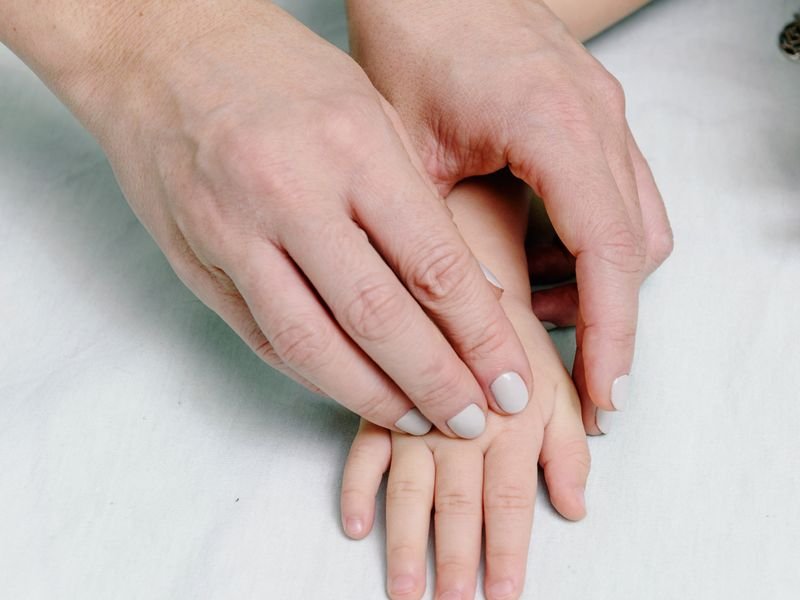
Postural and movement screening, joint range, strength and balance testing, and a conversation about your day — work, commute, sleep and activity.

Movement assessment, postural correction and steadier walking.
Posture, Balance & Mobility
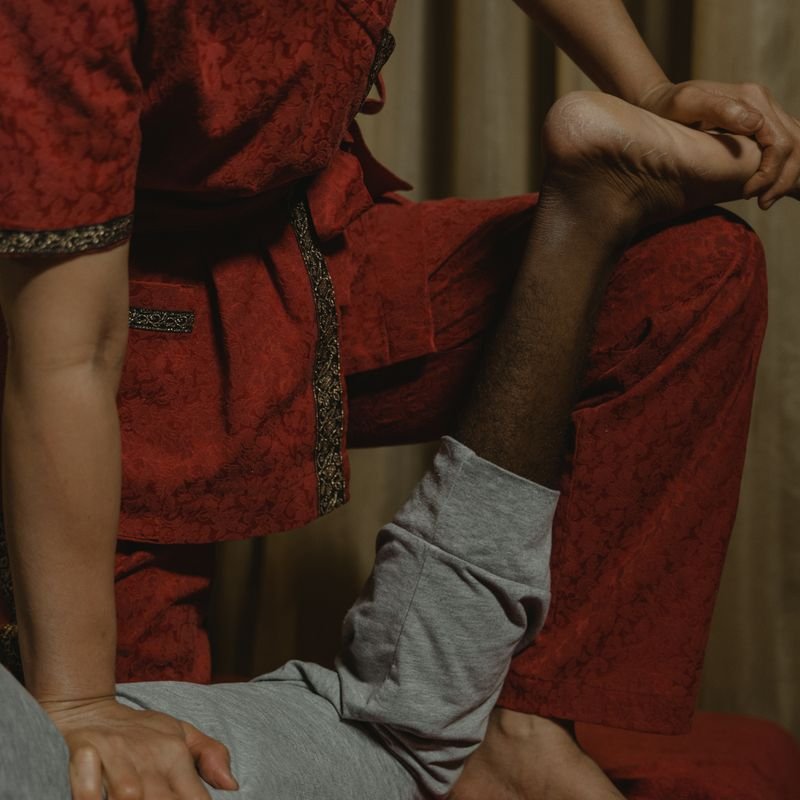
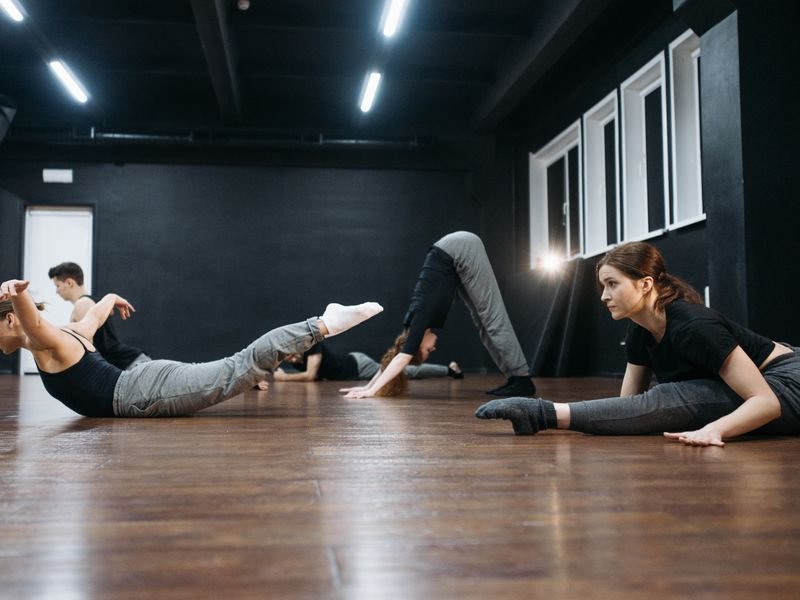
Posture is less about sitting up straight than about having options. A spine that can only do one shape gets sore in that shape; a body that can move freely tolerates a long day at a desk far better.
Balance works the same way. Steadiness depends on strength, joint range, sensation and reaction — all of which are trainable. Assessing which of them is actually the limitation is what makes the training worth doing.
Movement assessmentA structured look at how you stand, sit, bend, reach and walk.
Specific, not genericThe exercises address your limitation, not a posture ideal.
Balance tested properlyStanding, walking and turning measured, then trained in steps.
Workstation advicePractical changes to the desk, chair and screen you already have.
How it is staged
Each stage ends with a decision point — nothing moves forward on autopilot.
Stage 01
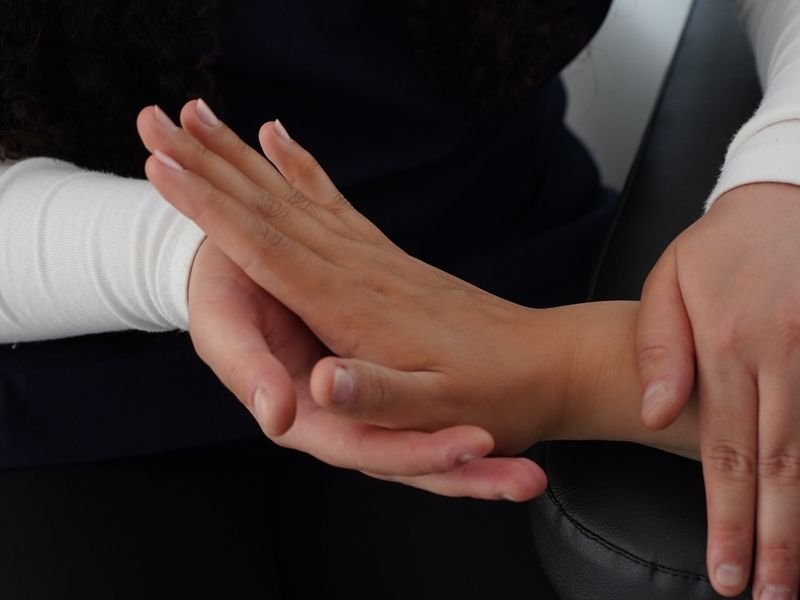
Postural and movement screening, joint range, strength and balance testing, and a conversation about your day — work, commute, sleep and activity.
Stage 02
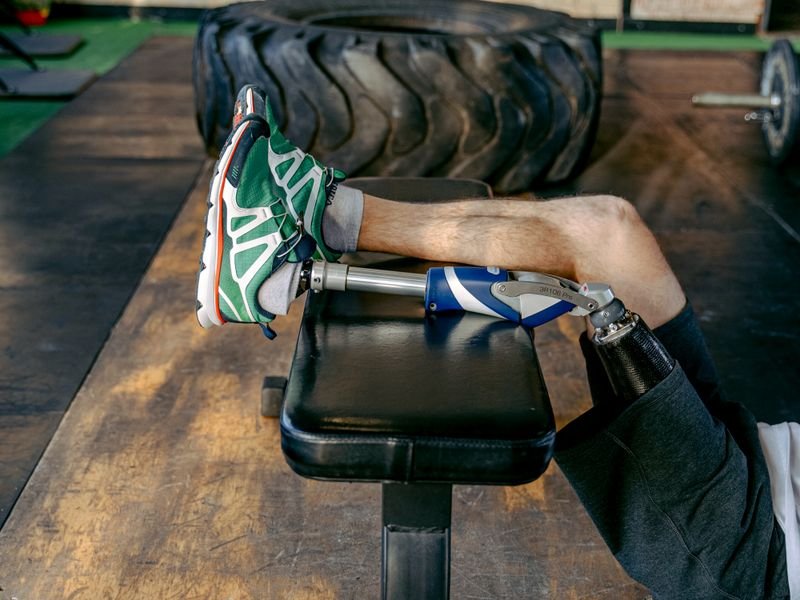
Restoring the ranges that have been lost and building strength in the positions you actually need to hold, with manual therapy where it speeds it up.
Stage 03
Graded balance and gait work, plus the small environmental and habit changes that keep the gains without needing an hour a day.
Why it is done this way
Most desk pain is a tolerance problem, and tolerance is trainable.
Testing tells you which link is weak instead of guessing.
Balance training reduces the hesitancy that makes people move less.
 Stiff and unsteady
Mobile and confident
Stiff and unsteady
Mobile and confident
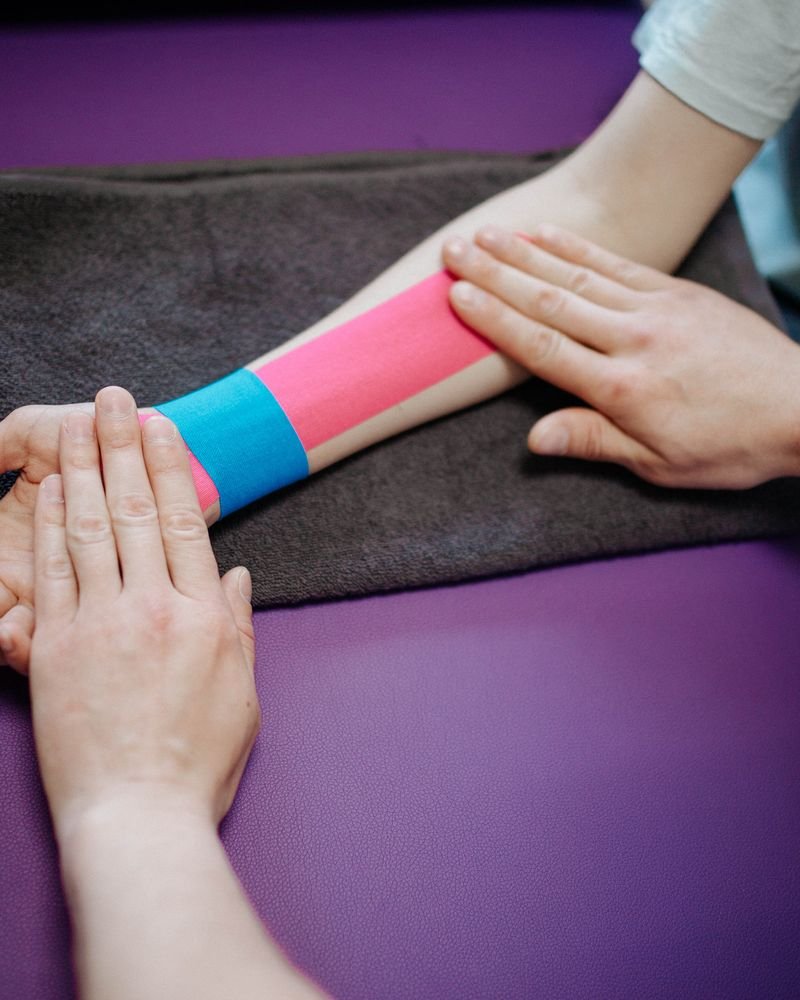
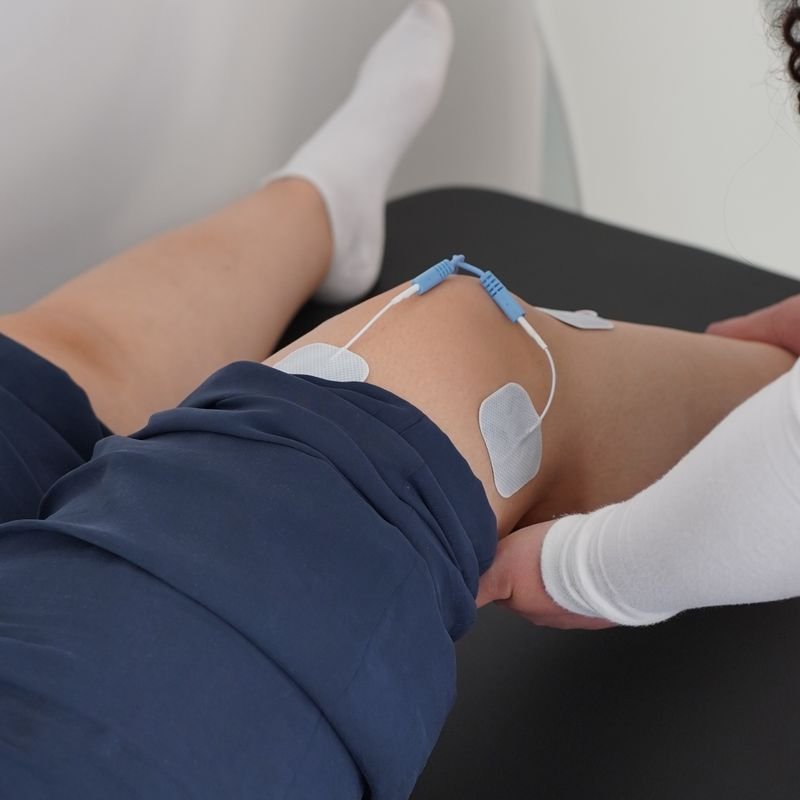
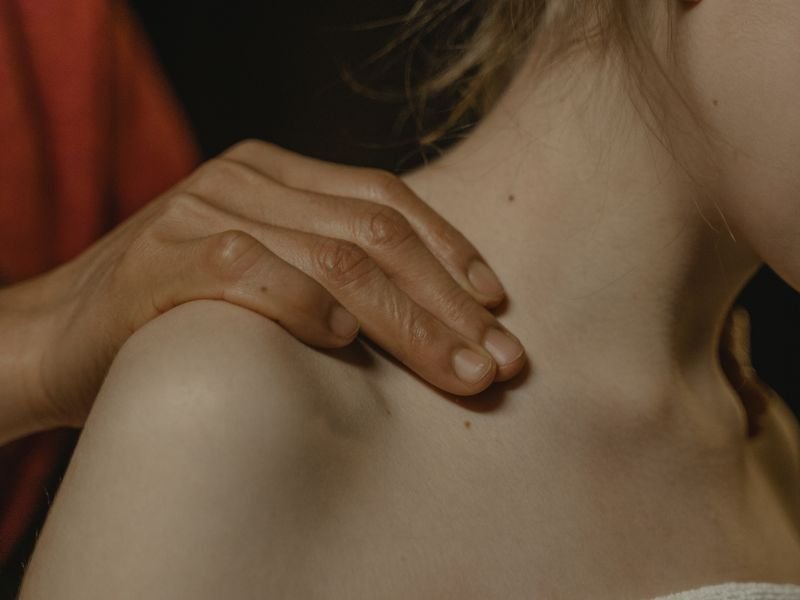
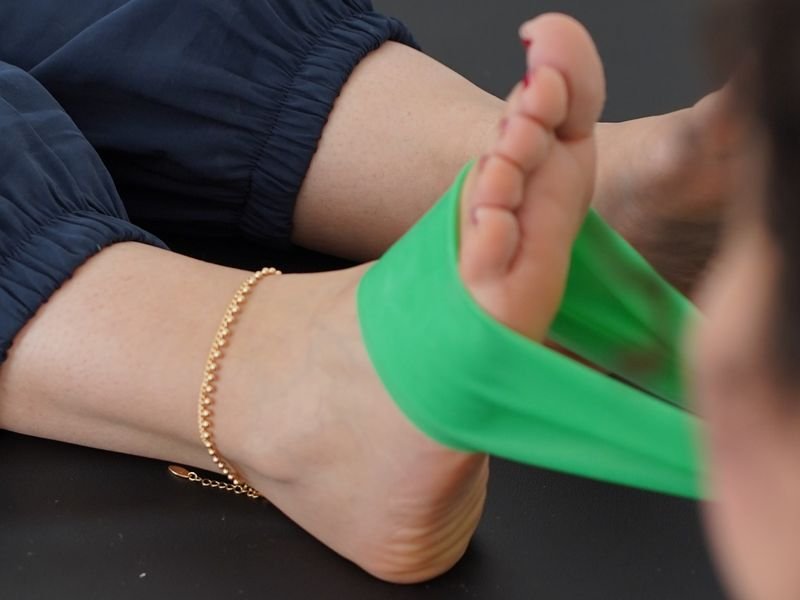
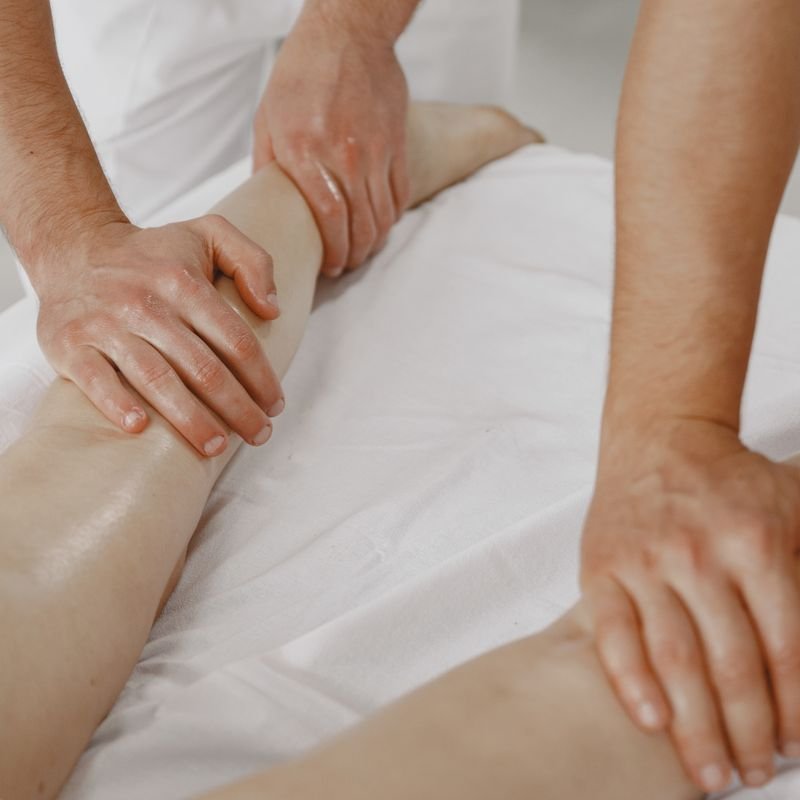
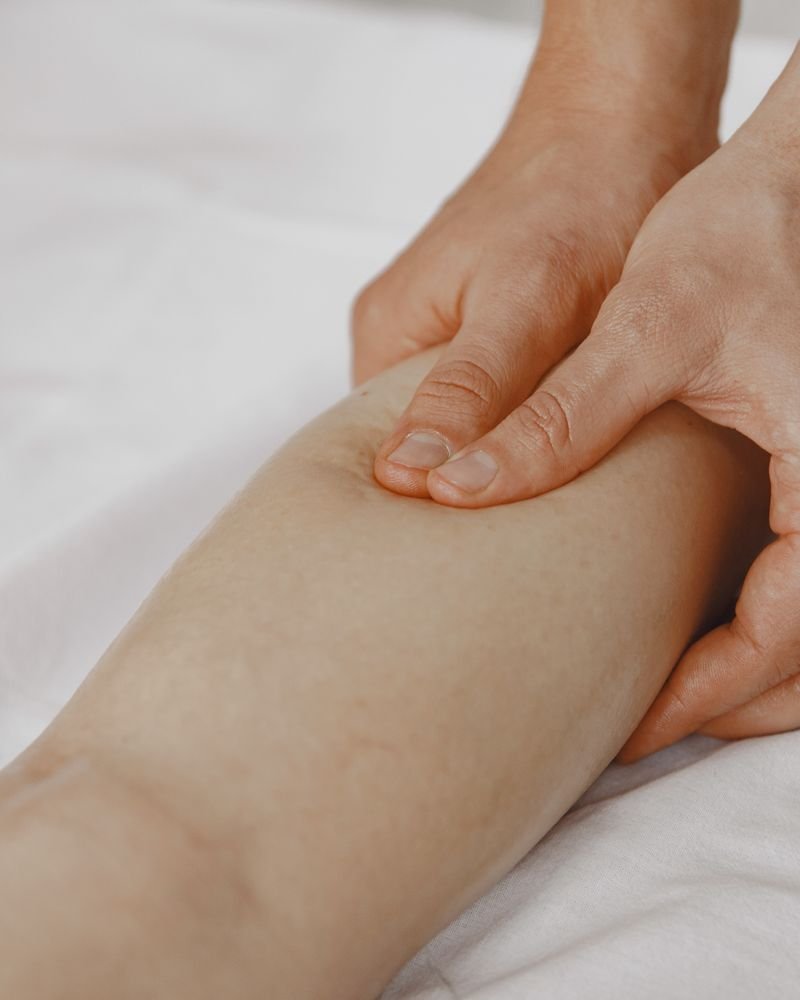
Stock photography shown for layout. Replace with consented patient photographs before launch.
Start to finish
Every stage is recorded — range, strength, posture, test scores. You see your own measurements move, which is a considerably better motivator than being told you are doing well.
Questions
Not a single one. The best posture is a variable one — the position that causes trouble is usually the one held longest, whatever it is.
Rarely in the long run. A brace holds you in a position without building the strength to hold it yourself, and the comfort usually stops when it comes off.
Yes, and that is the better time to do it. Unsteadiness that has not yet caused a fall is the easiest kind to train out.
No. Balance and mobility work needs a wall, a chair and some floor space. Anything beyond that is convenience, not necessity.
Related
Backs, necks, shoulders and knees — assessed, treated and retrained.
Learn moreStructured recovery after surgery, fracture or joint replacement.
Learn more
Send a message describing the problem. You will get an honest answer about whether this is the right place to start.